
Shopping Cart
There are no more items in your cart
.jpg)
.jpg)
.jpg)
.jpg)
EYELASH EXTENSIONS FOR BEGINNERS: WHERE TO START AND WHAT YOU NEED?

Are you thinking about adding eyelash extensions to your treatment menu but aren’t sure where to start? You’re not alone. More and more beauticians and beauty professionals are choosing to specialise in this field, drawn by the growing market demand and the immense satisfaction that a well-executed treatment brings—both to the client and the artist.
However, entering the world of eyelash extensions without the right information can lead to frustration, wasted money and, in the worst cases, damage to the natural lashes. This article is designed specifically for those just starting out: we will explain what you truly need, how to avoid the most common mistakes, and where to begin to build a solid foundation. In this practical guide, here is what we will cover together:
- What eyelash extensions are and how they work;
- Which tools you need to get started;
- How to practise effectively;
What are eyelash extensions and how do they work?
Before picking up your tweezers and adhesive, it is essential to understand what this treatment actually involves. Eyelash extensions are synthetic lashes, usually made from silk or synthetic mink fibres, which are applied individually to the natural lashes using a professional cyanoacrylate-based adhesive.
The treatment is often referred to as "lash enhancement" or "extensions", and can be performed using various techniques:
- One-to-one (Classic): A single extension is applied to each natural lash. This creates a natural and defined effect, making it the ideal starting point for beginners.
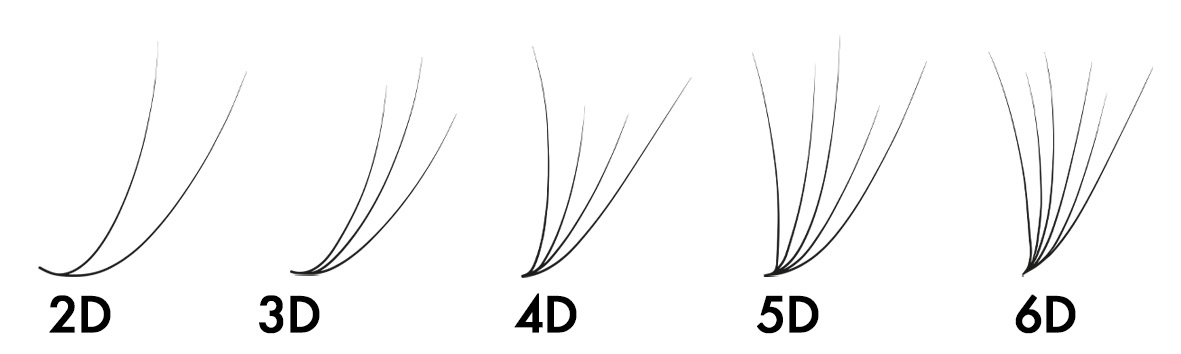
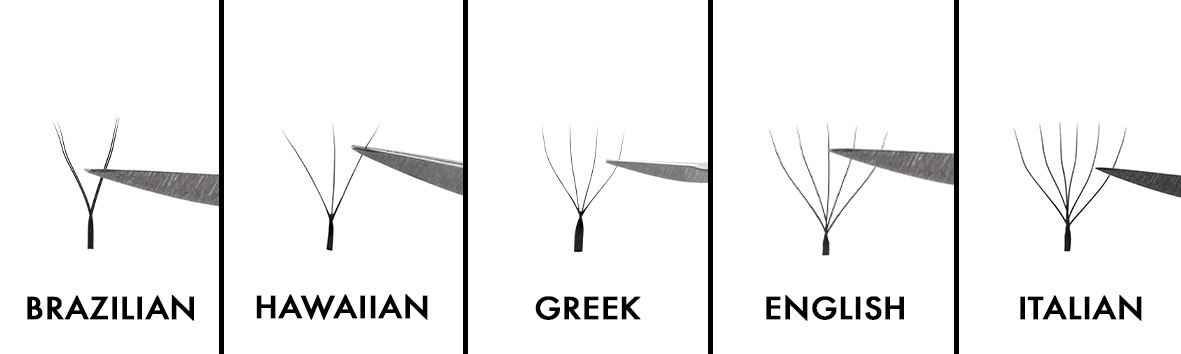
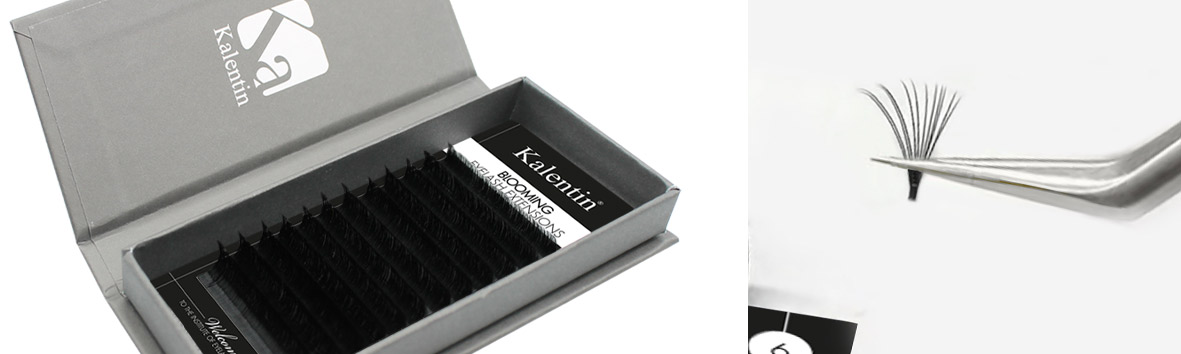
- Volume (Fans): Handcrafted "fans" of 2 to 6 ultra-fine lashes are applied to each natural lash, creating a fuller, more dramatic look.
- Hybrid: A combination of both classic and volume techniques to create a textured, bespoke finish.
The final result typically lasts between 3 to 4 weeks, after which an "infill" or refill is required to maintain the look.
The longevity depends on several factors: the type of adhesive used, the client's lifestyle, and their daily aftercare routine. If you would like to delve deeper into every aspect of the treatment, from durability to the application process, you can read our dedicated article: Eyelash extensions: everything you need to know.
The tools to get you started
When you first begin working with eyelash extensions, understanding exactly which products you need, and in what quantities, is not always straightforward. The market offers a vast array of options, and navigating them can feel overwhelming, especially at the start.
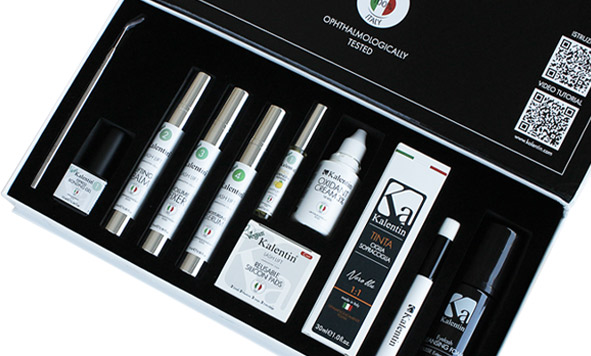
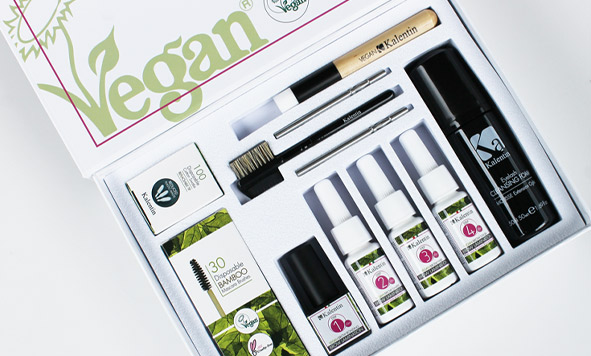
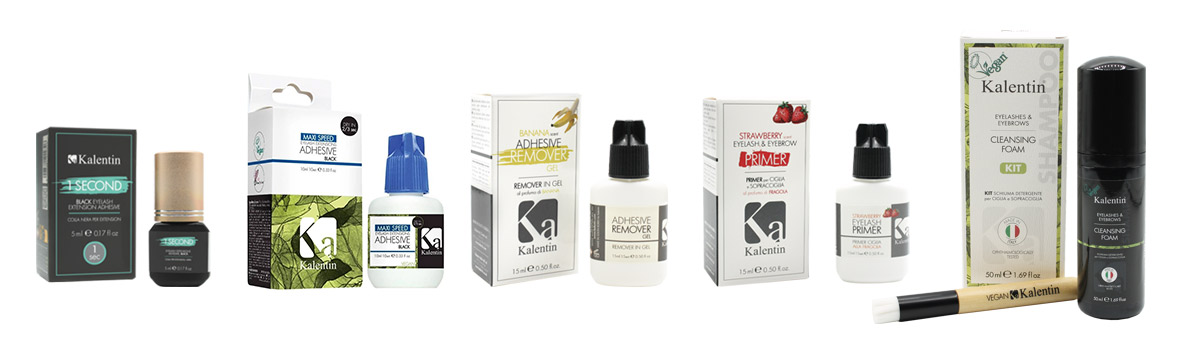
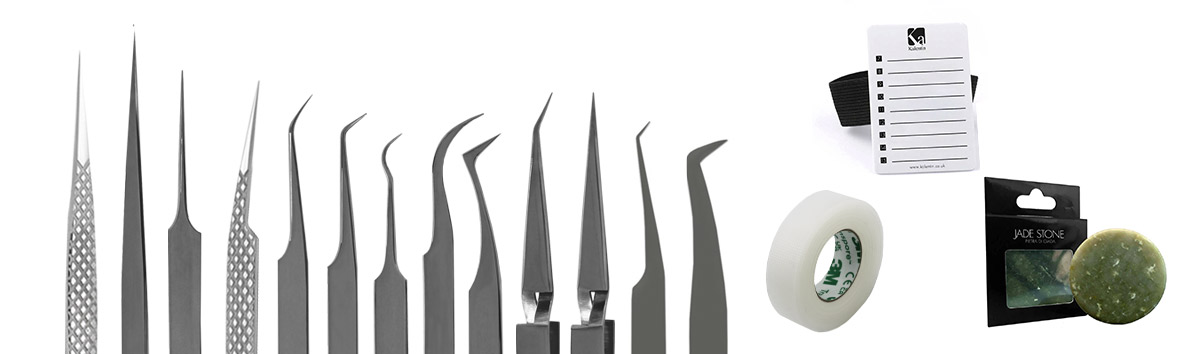
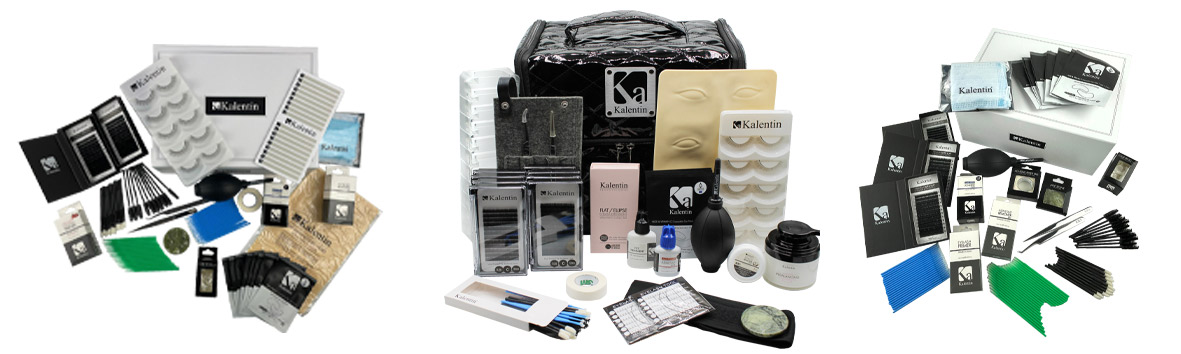
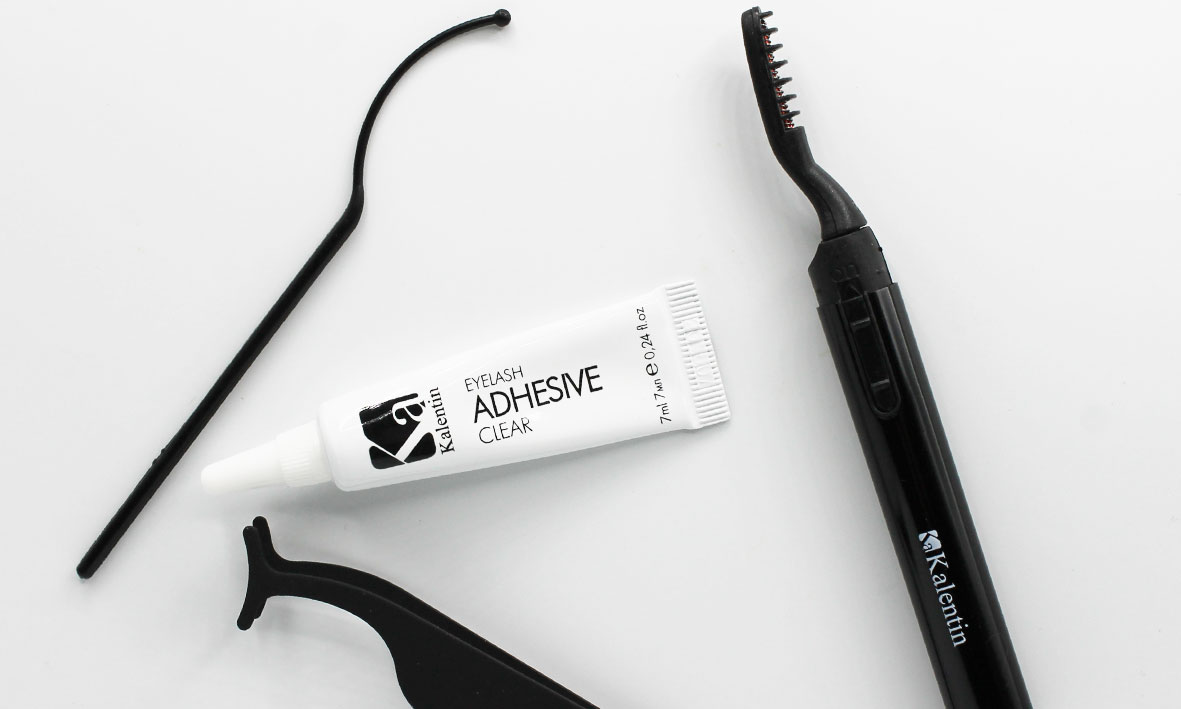
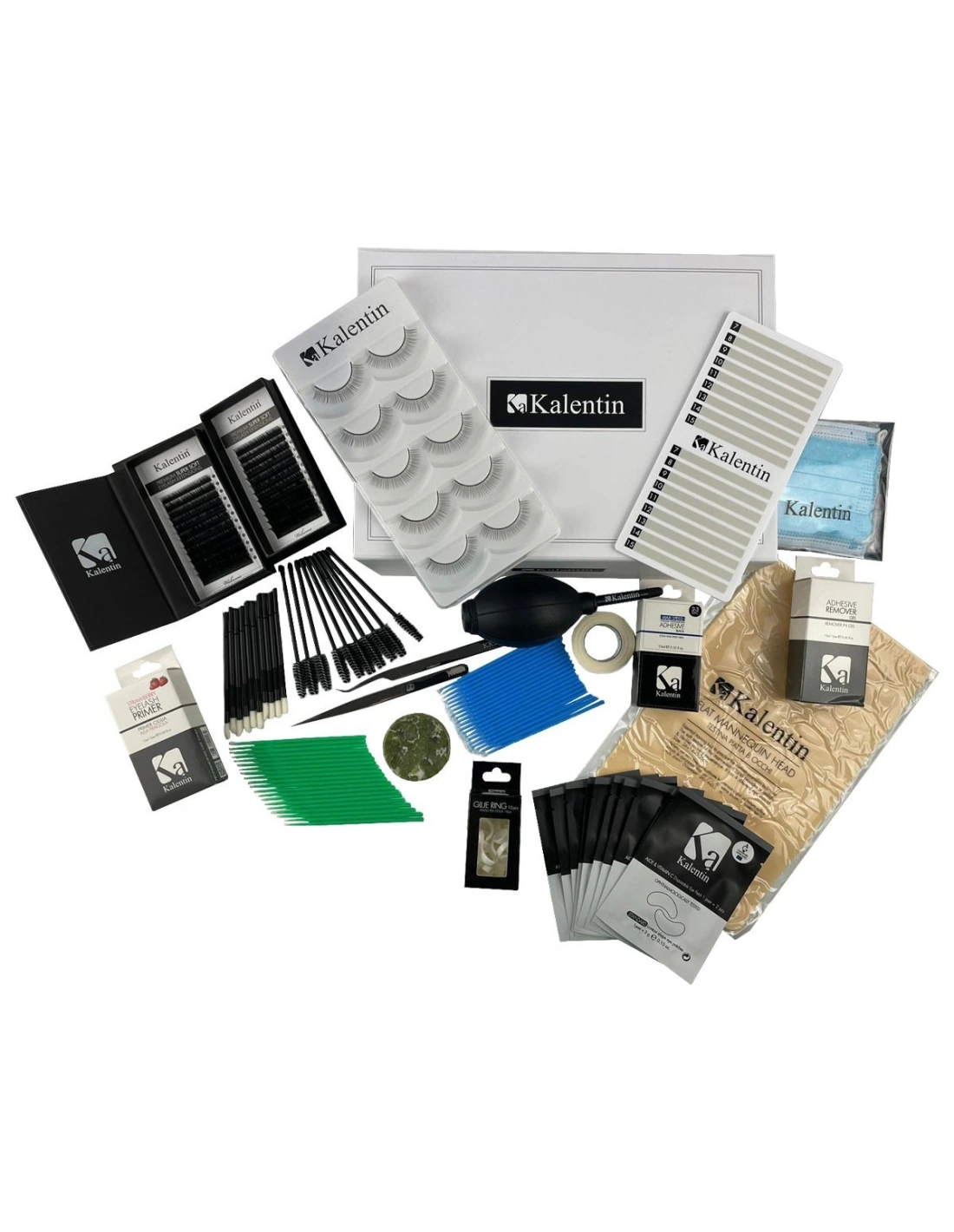
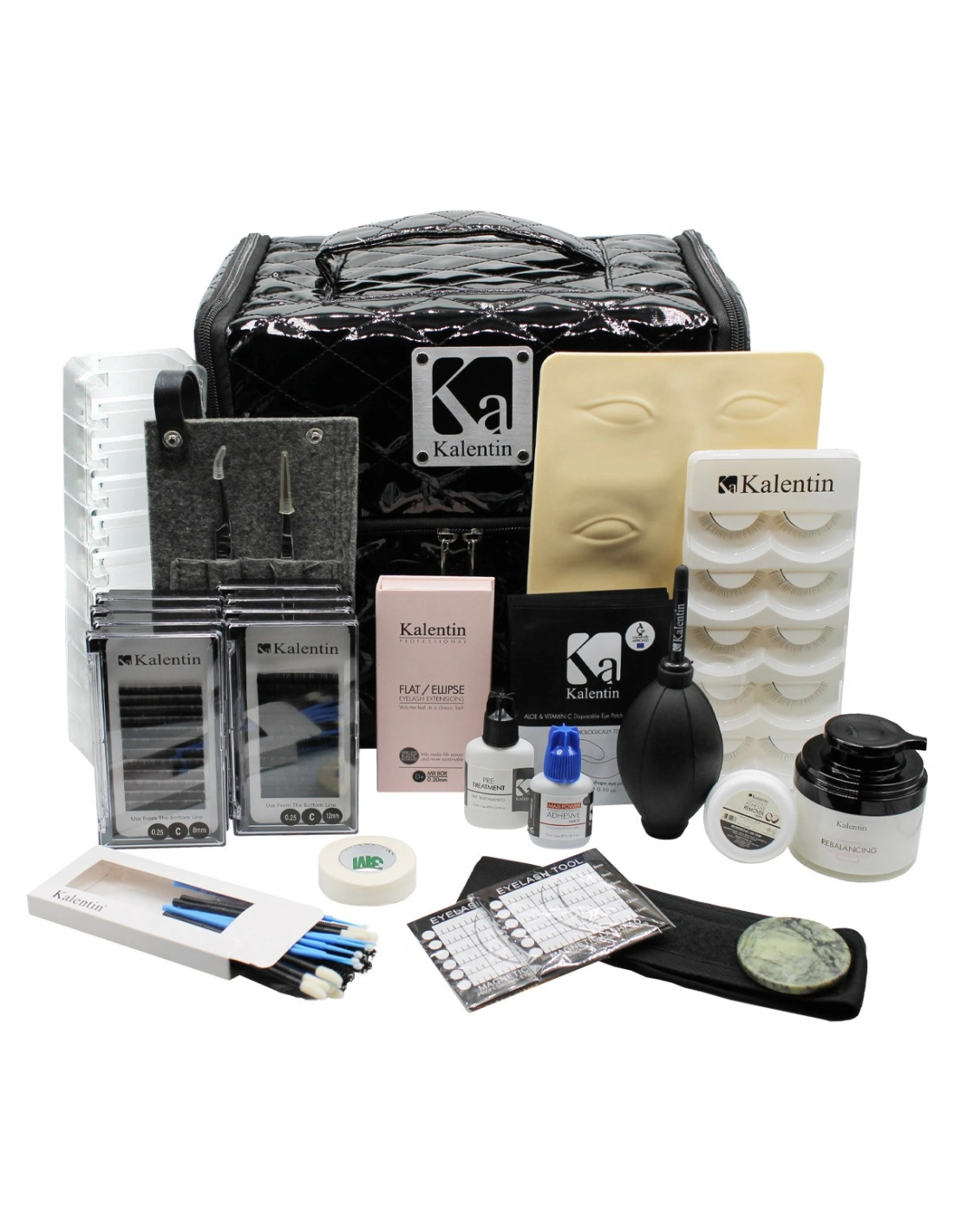
The tools required to perform the treatment are diverse, ranging from tweezers and adhesive to primer and remover, and learning to master each one takes time. For this reason, if you are a beginner, the most practical choice is to start with a complete eyelash extension kit. These kits provide all the essentials in a single solution, featuring selected products that are fully compatible with one other. This approach eliminates guesswork and the risk of forgetting a fundamental component.
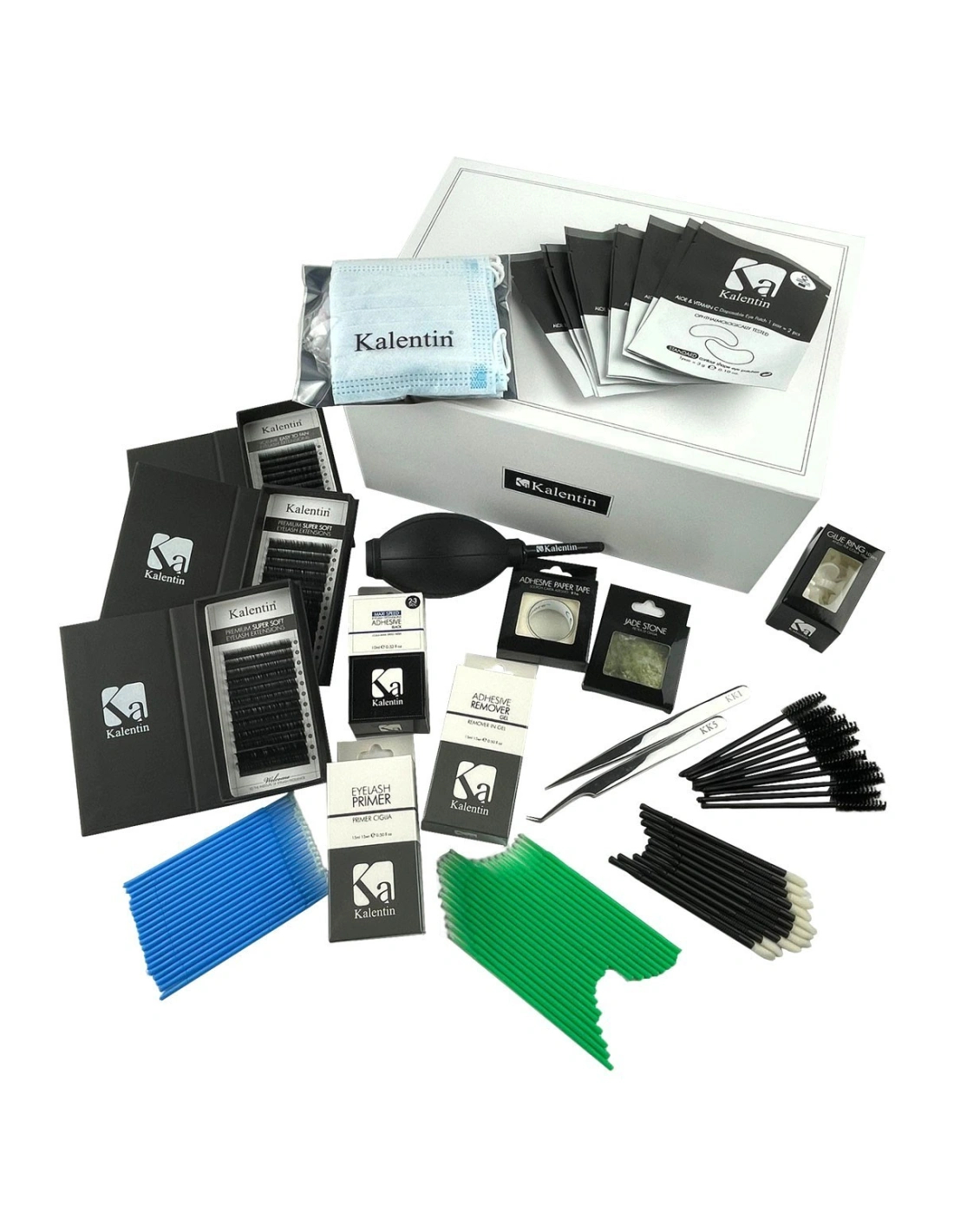
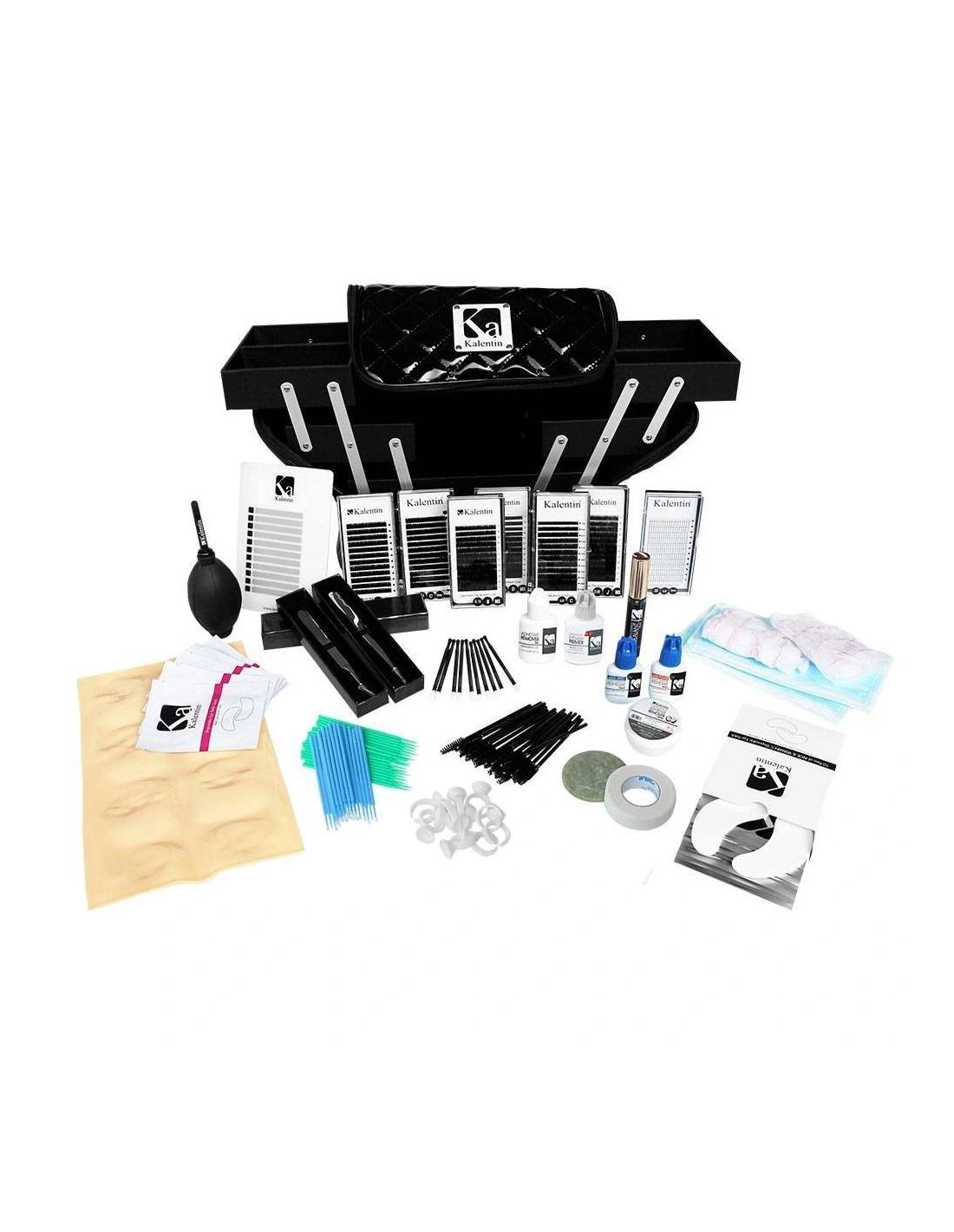
As you gain experience, you will develop a better understanding of which tools you prefer and can then customise your workstation. However, in the beginning, having a ready-made foundation allows you to focus on what truly matters: mastering the technique.
On our website, you can find a dedicated section for our professional Kits.
How to choose the right extension
Not all lashes are created equal, and understanding the differences will help you make more informed choices from the very beginning.
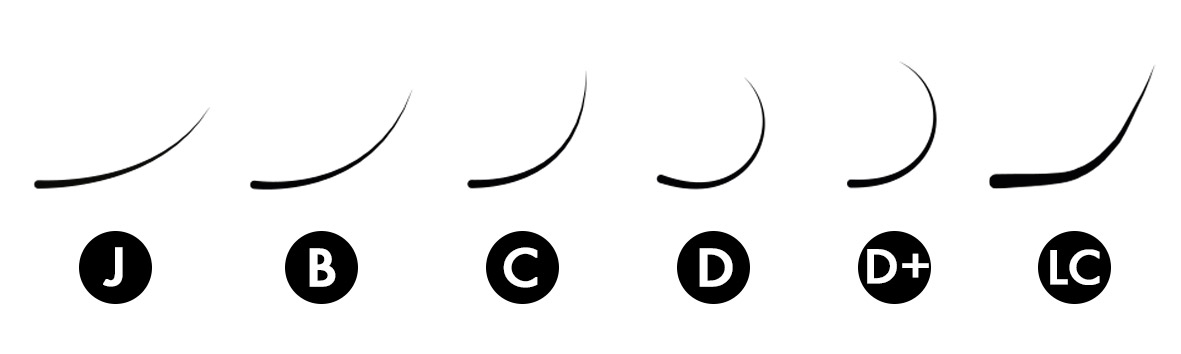
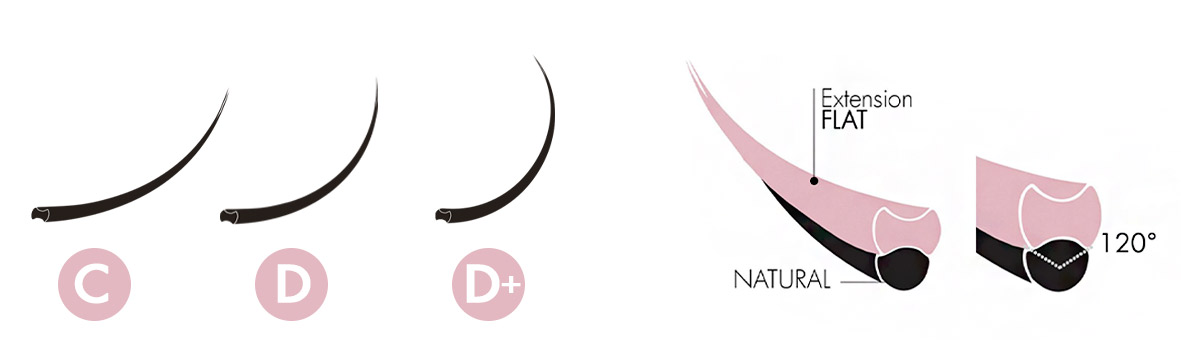
Eyelash extensions are defined by three main characteristics: curl, thickness, and length.
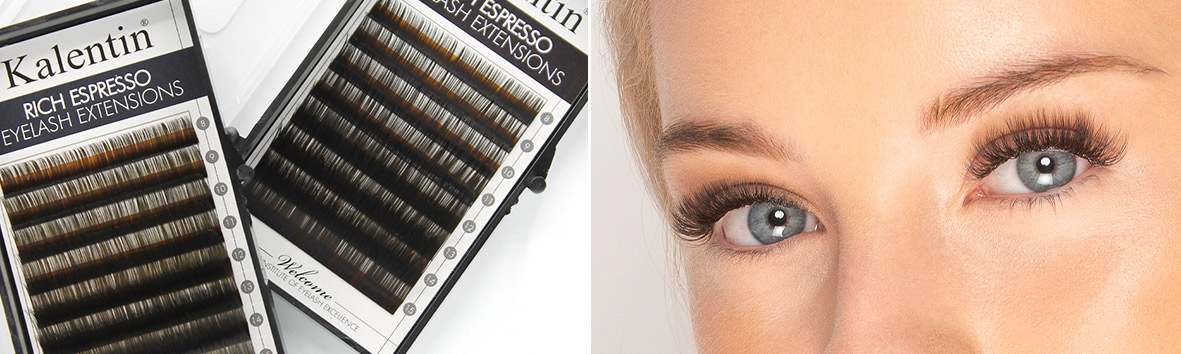
Curl: The most common are C and D. C-curl is the most natural, while D-curl is more curved and dramatic.
Thickness: This is measured in millimetres. For the classic (one-to-one) technique, thicknesses of 0.15 mm and above are generally used. For volume, ultra-fine lashes (0.05–0.07 mm) are used to avoid overloading the natural lashes.
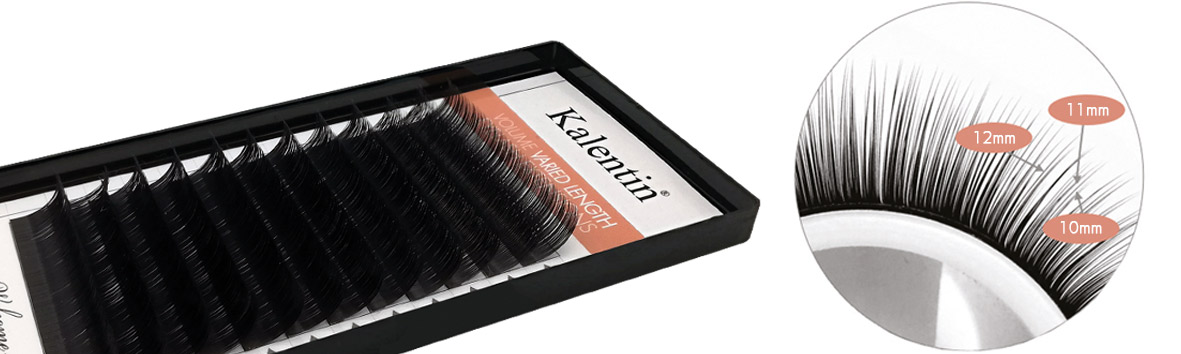
Length: These typically range from 8 mm to 15 mm. To achieve a harmonious and natural effect, you work with a "map" that uses different lengths according to the specific area of the eyelid.
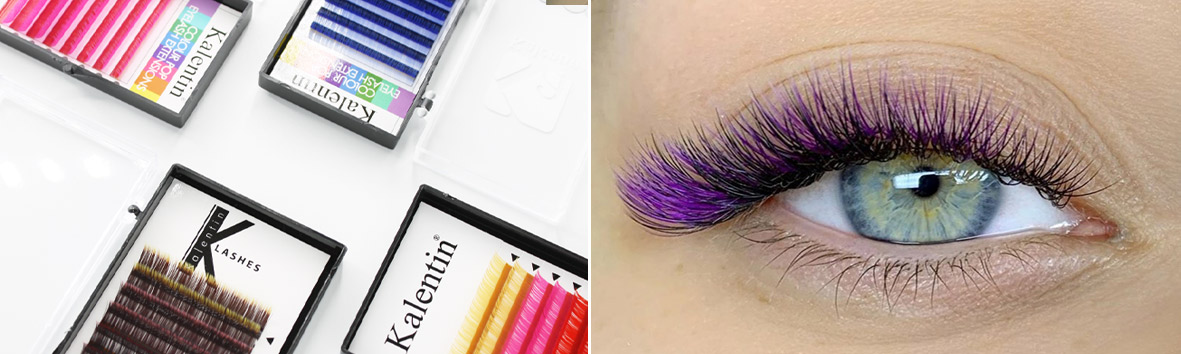
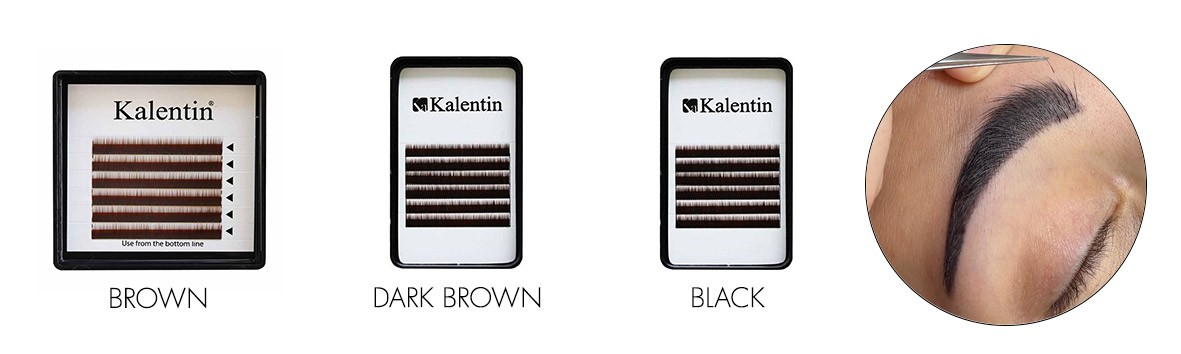
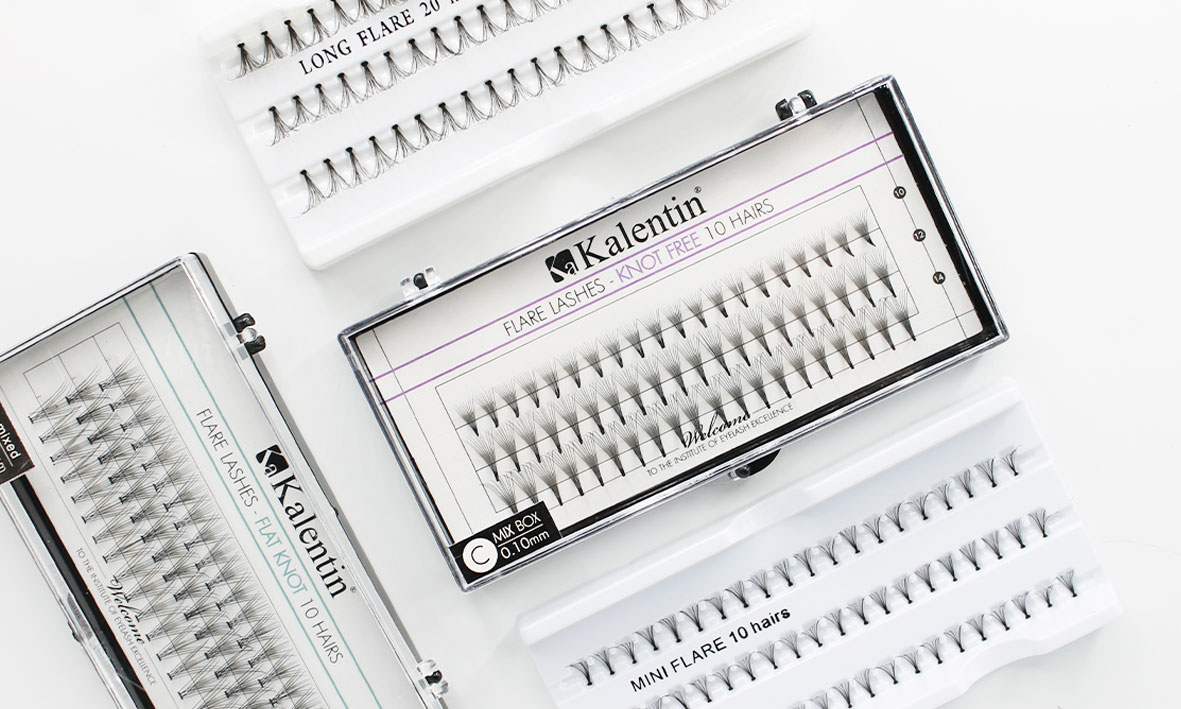
The golden rule for beginners: choose lightweight lashes, moderate curls, and avoid extreme lengths. This reduces the risk of damaging the natural lashes and makes the application much easier to manage. In our dedicated section, you can find the full Kalentin range of Classic extensions and Volume extensions.
How to choose the right adhesive?
When it comes to products for aesthetic treatments, you should never cut corners or improvise. The adhesive, in particular, is one of those elements that can truly make or break the final result.
The wrong adhesive can cause irritation, allergies, premature lash loss or, in the most severe cases, damage to the natural lashes. Professional eyelash extension adhesives differ primarily in:
Drying speed (ranging from approximately 1 to 4 seconds);
Strength and longevity.
For those just starting out, the ideal choice is a medium-drying speed adhesive (2-3 seconds). This gives you enough time to correctly position the extension before the bond sets too quickly. Ultra-fast adhesives are designed for experienced professionals who work at high speeds.
How to practise? Training tools and methods
Building a solid technique requires practice, and at the beginning, this is best done using dedicated supports.
Training tools are not just an optional extra for amateurs; even seasoned professionals use them when learning a new technique. They allow you to:
- Develop your manual dexterity without pressure;
- Understand the correct dosage of adhesive;
- Learn how to isolate lashes without rushing;
- Make mistakes (and correct them) without consequences.
FAQ: Kalentin answers
How long do eyelash extensions last?
On average, eyelash extensions last between 3 to 4 weeks. However, their longevity depends on your natural lash cycle, the quality of the adhesive used, and how strictly you follow the recommended aftercare routine.
Are eyelash extensions safe?
Yes, eyelash extensions are perfectly safe when applied by a certified professional using high-quality materials. A trained lash artist ensures the adhesive never touches the skin and that each extension is correctly isolated to protect the health of your natural lashes.
Eyelash extensions for beginners: kickstart your journey with the right tools
Embarking on a career in eyelash extensions is an exciting journey, but it must be approached with a clear method. Here are the key points to keep in mind as you start:
Start with the right tools: A complete kit and high-quality products make all the difference from day one, ensuring professional results and client safety.
Practise before working on clients: Perfecting your technique on mannequins and training supports is the most effective way to build a solid foundation and gain confidence.
Invest in quality materials: Using professional-grade adhesives and fibres protects the health of the natural lashes and builds your reputation as a specialist.
The next step? Choose the kit that best suits your level and start practising. The world of eyelash extensions has so much to offer, and it all begins with a great foundation.