
Shopping Cart
There are no more items in your cart
.jpg)
.jpg)
.jpg)
.jpg)
WHY DO LASHES DETACH FROM THE SHIELD DURING A LASH LIFT?
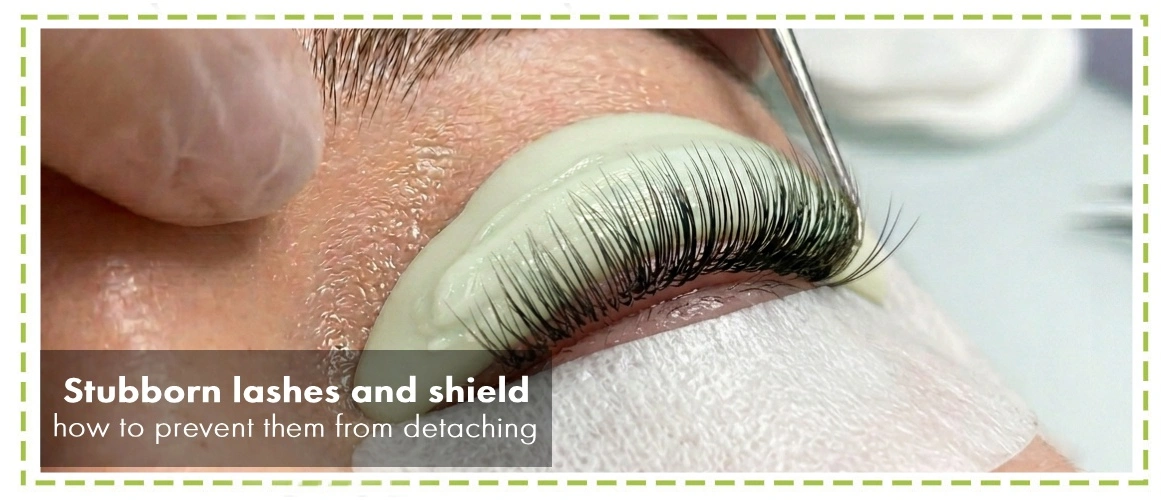
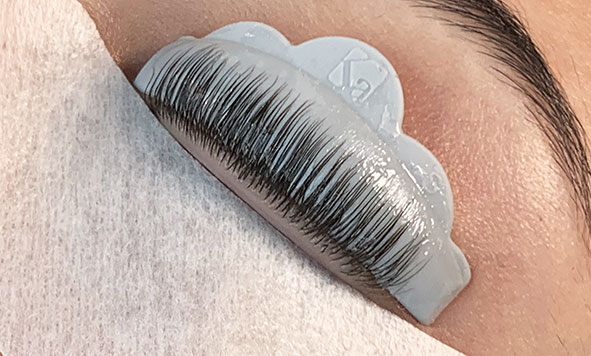
During a lash lift treatment, it can happen that some lashes detach from the shield, compromising the precision of the work. This is a common issue, which indicates that certain external or structural factors are affecting the adhesive's hold. Understanding the root of this problem is essential to intervene and guarantee an even curl.
The causes behind this phenomenon vary; it is often a combination of lash surface preparation, the characteristics of the chosen adhesive, and the natural type of lashes, which may present higher-than-normal resistance.
In this in-depth look, we will explore how to manage the issue with a practical and technical approach. We will analyse the importance of targeted pre-treatment, evaluate the effectiveness of specific adhesive solutions for complex cases, and see how the innovation of the Korean technique now offers an alternative solution to stabilise lashes on the support with extreme precision, even without the use of traditional glue.
Lash preparation: the foundation for perfect adhesion
The success of a lash lift depends 50% on what happens even before applying the shield: deep cleansing is the indispensable technical prerequisite for every subsequent step. Without a perfectly prepared surface, even the most high-performance glue will struggle to stabilise the lashes.
Makeup residue or oily products applied by the client act as an insulating shield, preventing the adhesive from correctly "gripping" the keratin. In addition to external factors, one must consider the structural variability of the lashes: particularly thick, straight lashes or those with a very shiny cuticle naturally offer less friction, making the initial adhesion more complex compared to thin or porous lashes.
If you find yourself working on particularly "difficult" or resistant lashes, the secret is to perform an extra specific cleansing step to thoroughly degrease the structure, ensuring you eliminate any residue that could interfere with the stability of the fix.
A well-prepared lash receives the glue better and allows the lifting solutions to penetrate evenly, ensuring an excellent final result.
Choosing the glue: from the classic to the Korean method
The glue represents the supporting architecture of the entire treatment, but to achieve a perfect result, it must be chosen and managed carefully based on the challenge at hand. There is no single universal rule, as each lash type responds differently to the tension exerted on the shield. A determining factor is the amount of product used: if there is too little glue, the lashes will inevitably tend to return to their natural position by "flicking" off the support. In this case, the solution is logical: simply add a small, precise amount, taking care not to overdo it so as not to create a layer that is too thick, which would prevent subsequent solutions from working.
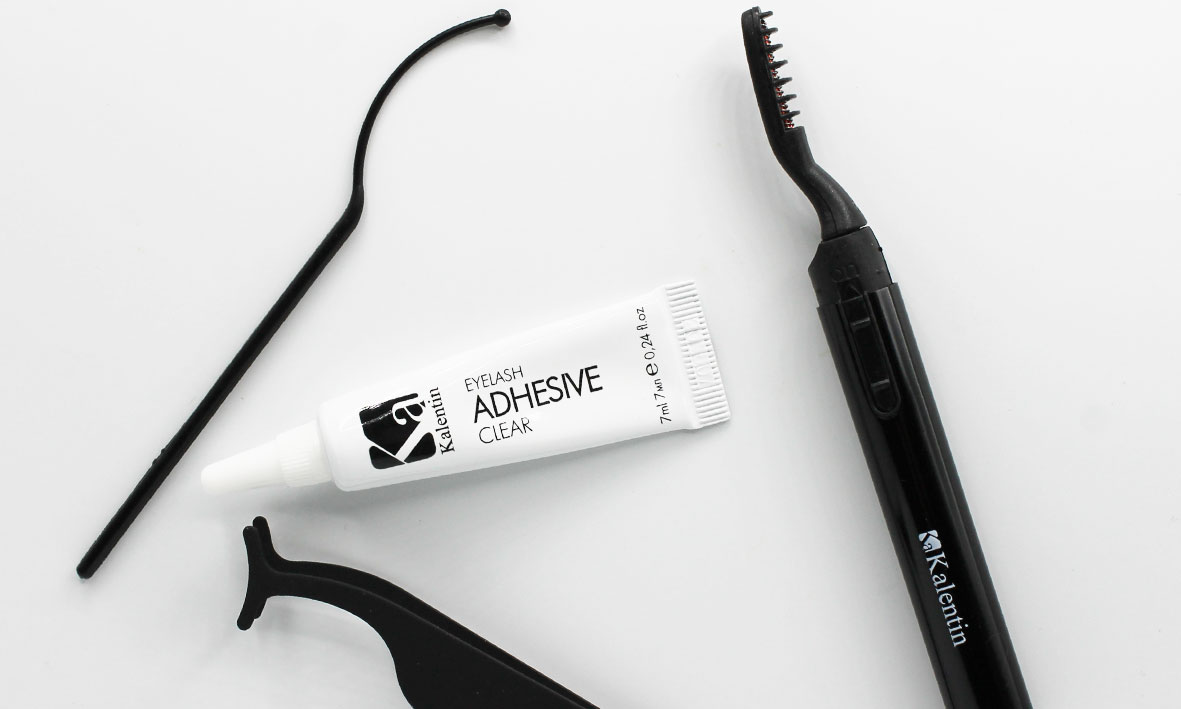
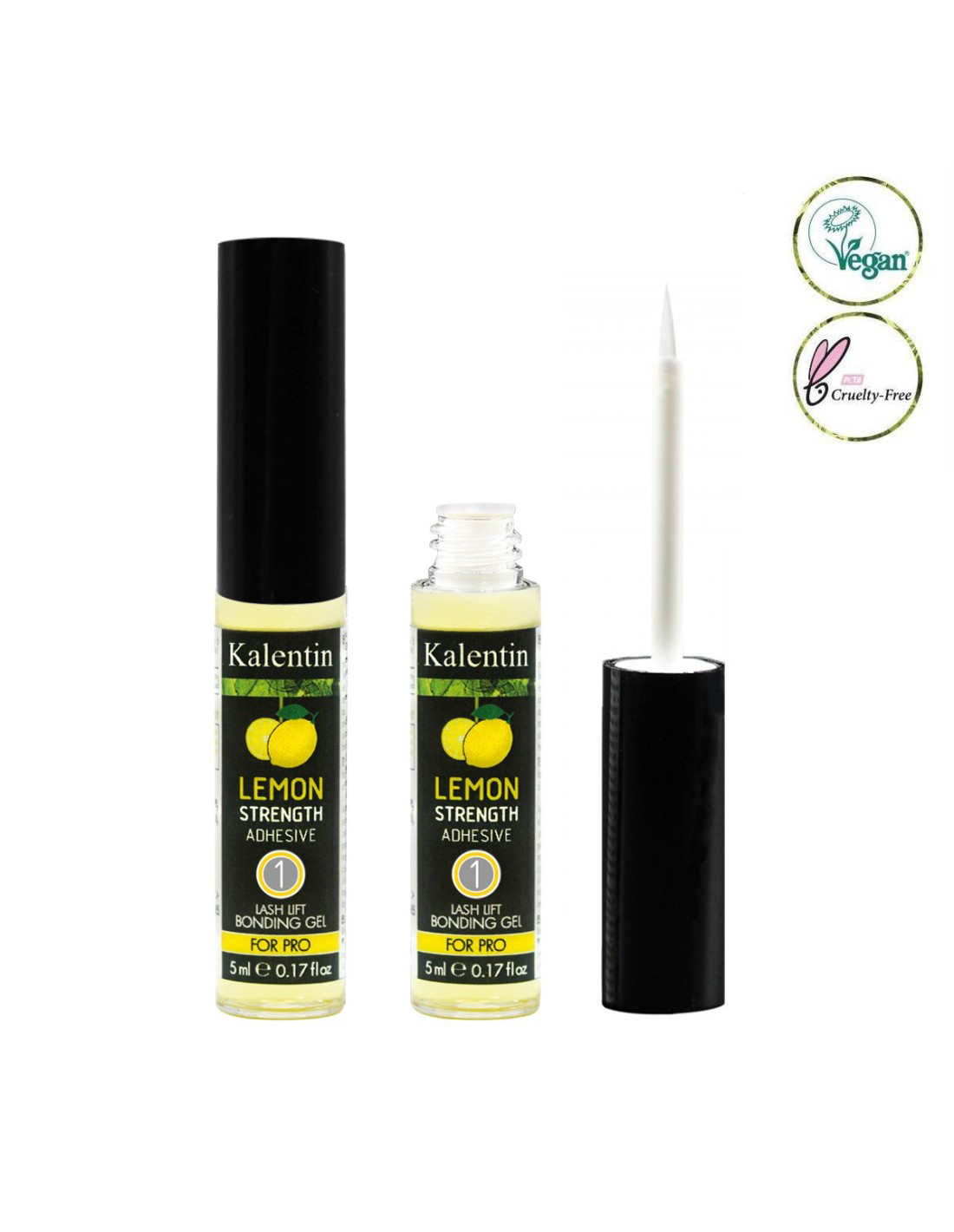
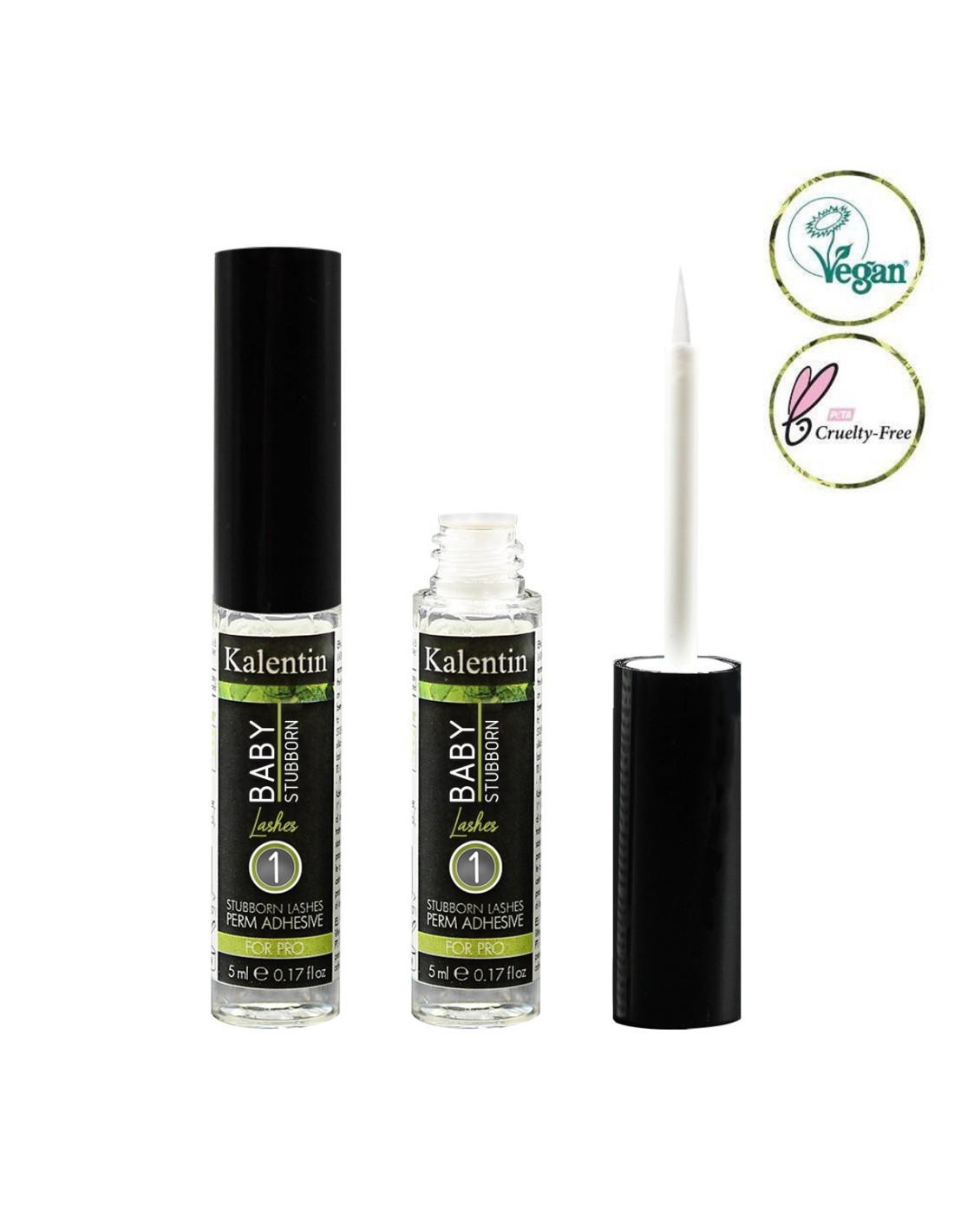
For those seeking a firm grip from the first touch, Kalentin's Lemon Strength Adhesive is the ideal choice thanks to its high-adhesion formula. If you are faced with short lashes and particularly stubborn ones that seem to refuse every placement, our Baby Stubborn comes into play. This adhesive was specifically formulated to manage the smallest and most difficult lashes, ensuring they remain immobile on the shield for the duration of the treatment.
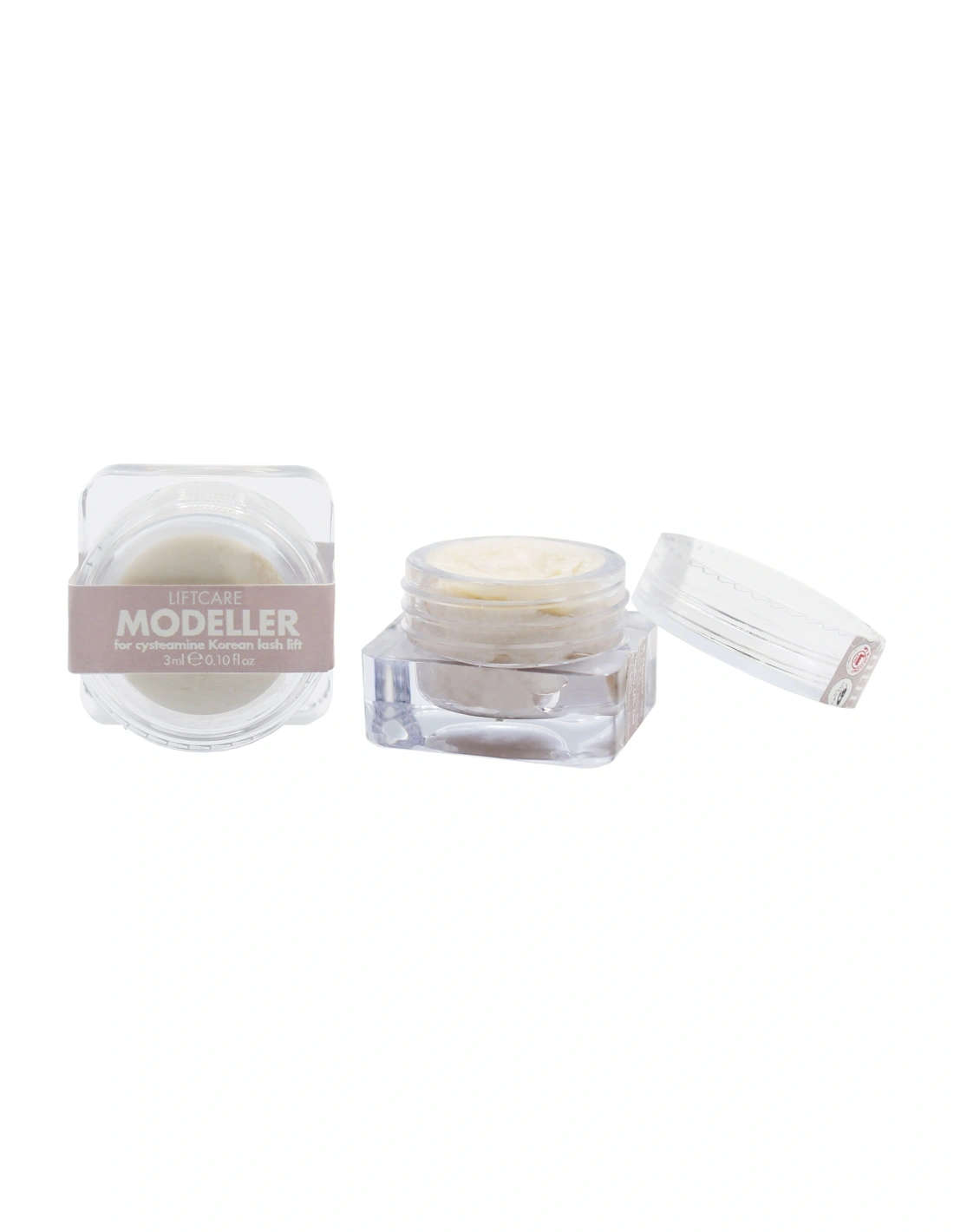
However, there is a revolutionary alternative that completely changes the approach to fixing: Korean Lash Lifting. In this technique, the first step allows the hair to be softened with a cysteamine-based perm; once made flexible, the lashes are shaped onto the shield using the "modeller".
In the fixing phase, the product is mixed with a specific cosmetic powder, the Liftcare Powder, which stabilises the hair impeccably—all without the use of traditional glue.
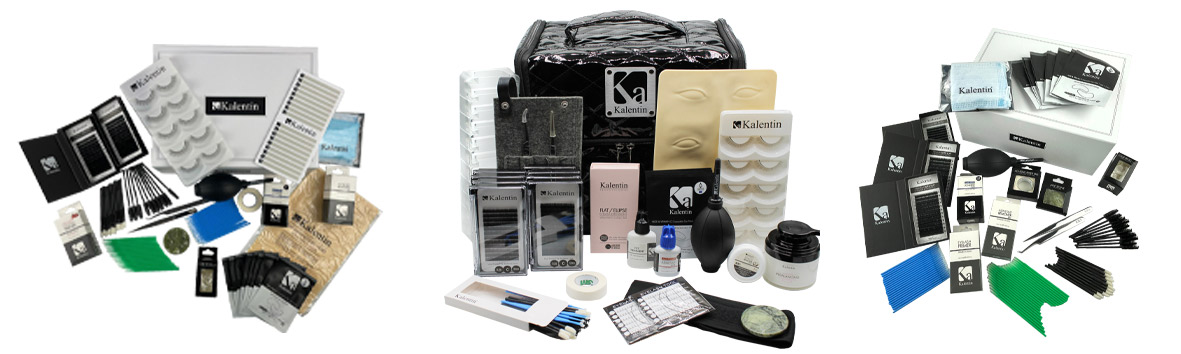
To master this innovation, a comprehensive in-person Korean Lash Lift course is available. This professional training is fully inclusive, providing a complete kit and dedicated ongoing support to ensure your success.
Choosing the right tool, whether it be a specific glue or a new-generation technique, allows you to face any unforeseen event with the confidence of knowing how to manage the hair, even the most rebellious.
FAQ: Kalentin answers
Why do lashes always detach in the corners of the eye?
Usually, this happens because the shield is not perfectly glued to the eyelid at that point or because the inner lashes are very short. In these cases, using a specific glue for difficult lashes like Kalentin’s Baby Stubborn helps to lock them in place instantly.
Is the Korean technique suitable for all lash types?
Yes. It is an extremely effective technique that can be performed on any type of natural lash.
Discover our products for lash and eyebrow lifting
If lashes detach from the shield, the solution is a mix of technical adjustments. We have seen how much it matters to prepare the lashes well to eliminate any oily traces, dose the glue with precision, and choose the right product for the situation you are facing.
Having specific solutions in your kit like Lemon Strength or Baby Stubborn allows you to work with much more peace of mind, knowing you always have the suitable adhesive. Furthermore, if you want to shift gears and try a different method, Korean Lash Lifting is the perfect alternative for those seeking total stability without having to depend exclusively on traditional glue.
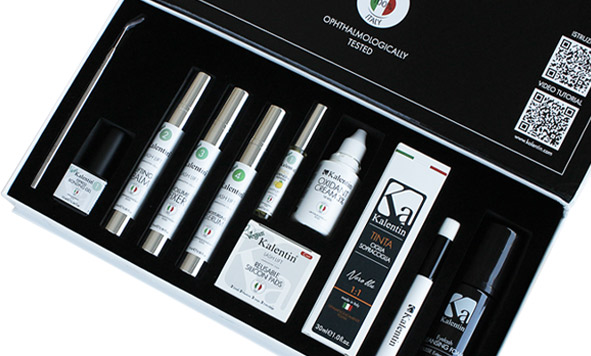
If you want to perfect your method, we recommend taking a look at our range of professional lash and eyebrow lift products: lotion & cleanser or exploring our Korean Lash Lift course.