
Shopping Cart
There are no more items in your cart
.jpg)
.jpg)


.jpg)
.jpg)
WHAT IS THE DIFFERENCE BETWEEN TGA AND CYSTEAMINE IN LASH LIFT AND BROW LAMINATION PRODUCTS?
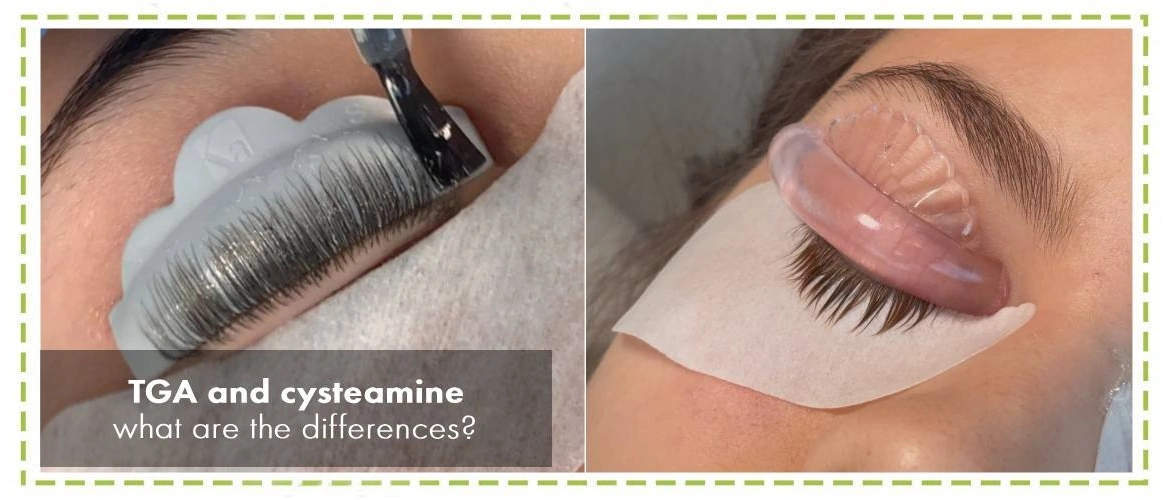
If you are new to the world of lash lifts and brow lamination, you will have certainly noticed that not all products are created equal. You’ve likely come across the terms “TGA” and “Cysteamine”. Although they might sound like complicated laboratory jargon, they are simply the ingredients that allow us to achieve that classic lamination curl we all look for. Understanding the difference between the two is key to knowing exactly what we are applying and what results to expect.
Over time, the formulas used in lamination products have improved immensely, becoming much kinder to both the hair and the skin. Today, the goal isn’t just to curl the lashes, but to do so without causing any damage. In this article, we will take a detailed look at the difference between TGA and Cysteamine. We will also explore why there has been so much talk lately about these two elements and how they interact with the structure of the hair.
How TGA works and why it has been used for so long
Thioglycolic acid (also known as TGA) is effectively the historical "engine" of this industry. It has been used for decades, not only for lashes but also for hair perms, because it is extremely effective at reshaping hair. But how does it actually change the shape of the lashes?
Our lashes are made of keratin, a protein held together by tiny internal "bridges" called disulphide bonds. TGA enters the hair and momentarily opens these bonds. It is at this exact moment that the hair becomes soft and flexible, allowing us to give it the new curl we desire. Once the shape is achieved, a second product (usually called a "neutraliser") steps in to close the bonds and "set" the result.
Using TGA in the salon offers very clear advantages:
- Reliable results: It is a very predictable ingredient, so you know exactly what to expect from the treatment.
- pH: It operates at a higher (alkaline) pH.
- Precision: Being so powerful, it is ideal for achieving crisp and well-defined curls.
Of course, precisely because it is such an active and decisive ingredient, it requires a keen eye and precision. Timings must be strictly followed to avoid over-processing the hair, and care must be taken regarding skin contact, as it has a sharper scent and a stronger formula compared to other solutions. Due to its nature, there are very strict regulations in Europe to ensure its safety, provided it is used correctly by someone who knows exactly what they’re doing.
Looking for something gentler? discover cysteamine
While TGA is the ideal choice for those seeking a bold result, a new trend straight from the East has been gaining ground lately: Korean lash lift. At the heart of this technique, we don't find TGA, but Cysteamine—an active ingredient that is much closer to the natural structure of our lashes.
Cysteamine has become the star of modern treatments because it allows the hair to be reshaped in an extremely gentle way. Unlike traditional products, it acts very softly, making it perfect for those with fine, fragile lashes or very sensitive skin. The result? A lifted, bright, and tidy look, but with an effect so natural and harmonious that it looks practically "make-up free".
Choosing cysteamine means prioritising hair health, keeping it hydrated and healthy over time. Precisely because of its protective nature, it requires a specific technique and different processing times compared to TGA.
| Feature | TGA (Thioglycolic acid) | Cysteamine |
|---|---|---|
| Action | Decisive and very fast | Gentle and gradual |
| Processing time | From 10 to 15 minutes | From 7 to 13 minutes |
| Scent | Sharper and more distinct | Milder and more tolerable |
The safety of professional products
At this point, the question arises: so, is TGA or Cysteamine better? The truth is, there isn’t a single answer, because in the world of lamination, there is no "winning" ingredient. The choice depends on a delicate balance of factors that can only be determined through careful analysis.
Every client is different: some have thick, resistant lashes that need the decisive boost of TGA to curl, while others have particularly reactive skin, making the gentleness of Cysteamine the ideal solution. Beyond the hair type, the technician's preferred way of working—what makes them feel most confident and precise—also plays a significant role.
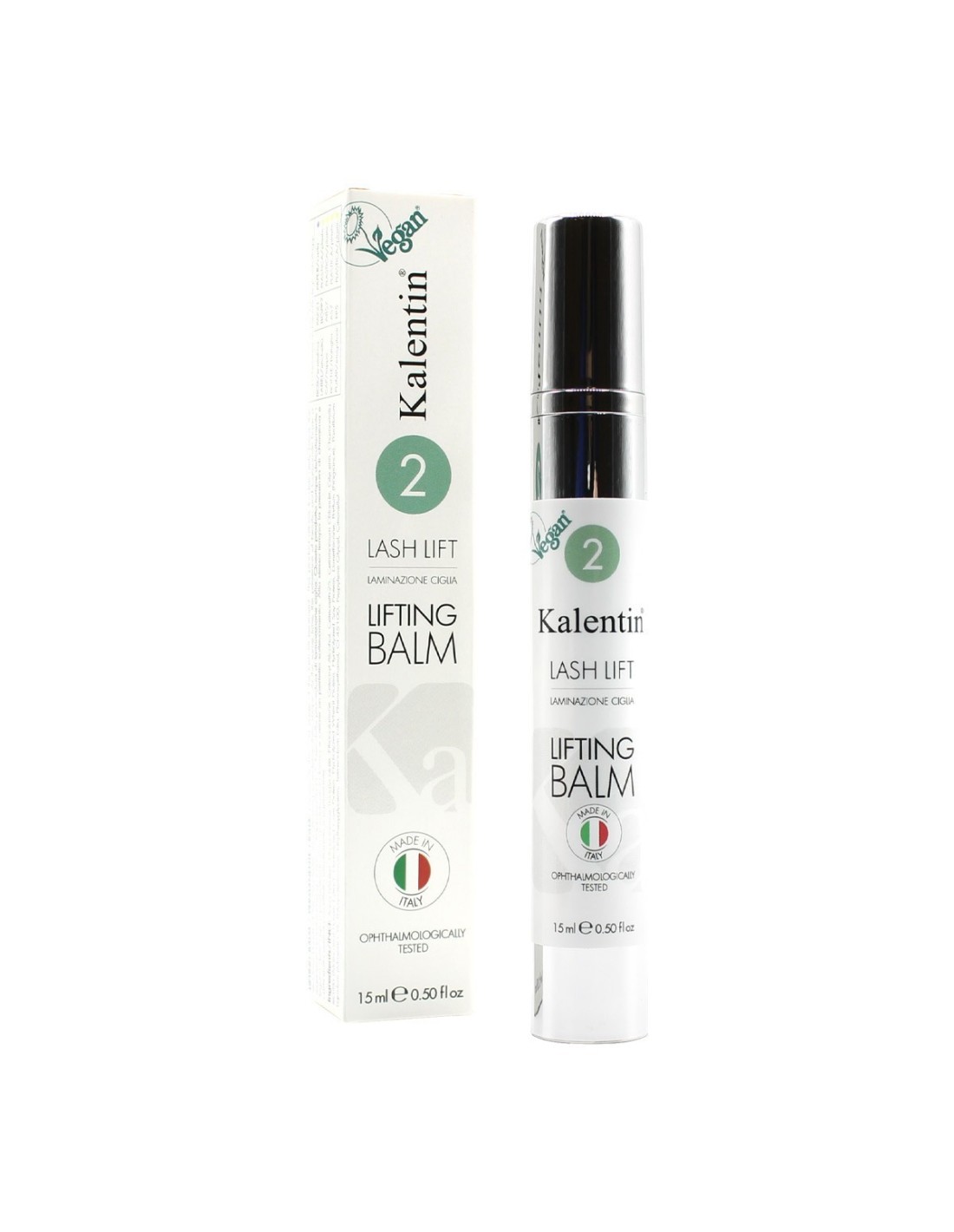
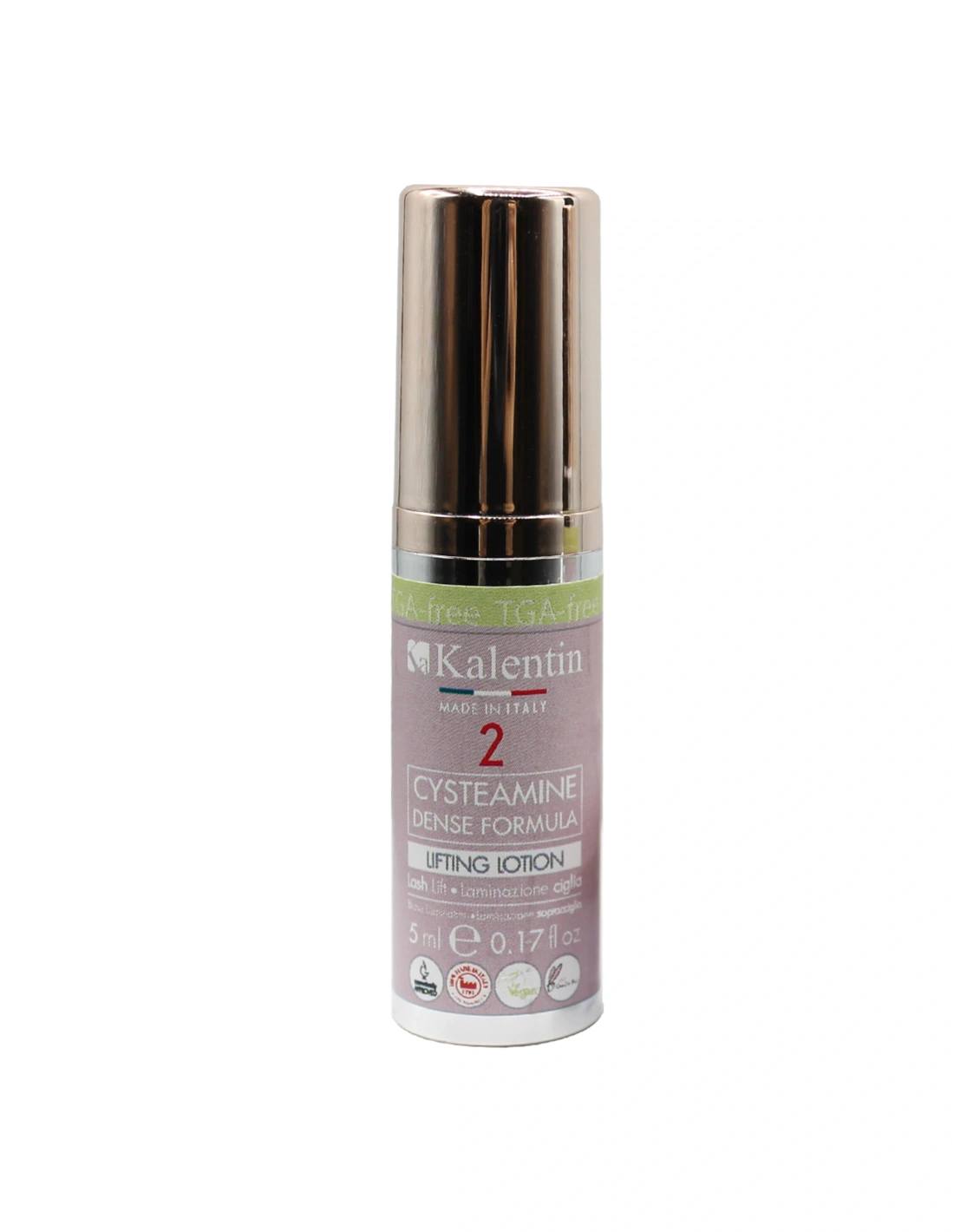
Regardless of the formula chosen, the one thing that cannot be compromised on is quality. Both formulations are technical treatments that interact with the hair structure, so it is essential to:
- Rely on certified products: Using safe and tested professional lines ensures that the treatment is effective while fully respecting eye health.
- The expert's touch: The real difference is made by the professional who knows how to analyse the hair, choose the correct product, and manage processing times to the second.
Ultimately, the true secret to a perfect lamination is not the ingredient itself, but the ability to listen to each individual client's needs—choosing the best path every time to enhance their gaze without ever stressing the hair.
FAQ: Kalentin answers
Which perm is free from ammonia and thioglycolic acid?
A perm that uses alternative reducing agents, such as cysteamine, which allows the hair to be reshaped more gently and with a less pungent scent.
What does lash lift contain?
In addition to the active ingredients that provide the shape, high-quality formulas are enriched with keratin to strengthen, vitamins to nourish, and amino acids that restore shine to the hair.
What are the benefits of lamination?
It provides longer-lasting curled lashes and tidy brows, nourishes the hair structure to make it healthier, and creates an open, bright gaze even without make-up.
How to decide which treatment is right for you?
A skilled technician never begins a treatment without first carefully analysing the hair: this is a fundamental step in determining whether you are dealing with robust lashes that need a decisive boost or finer hairs that require extreme caution.
Beyond the visual analysis, safety always comes down to prevention. Before any treatment, it is essential to assess the client's sensitivity; for this reason, we recommend further reading on the importance of the patch test—a step that should never be skipped to ensure total peace of mind while working.
In summary, here is what to keep in mind:
- Always analyse the hair;
- Respect processing times;
- Use only certified and safe products.
Our advice is to observe first-hand how different hair types react to various products.
Now that you have a clearer understanding of the differences between these two ingredients, all that remains is to decide which approach best aligns with your professional style and start experimenting with confidence!